
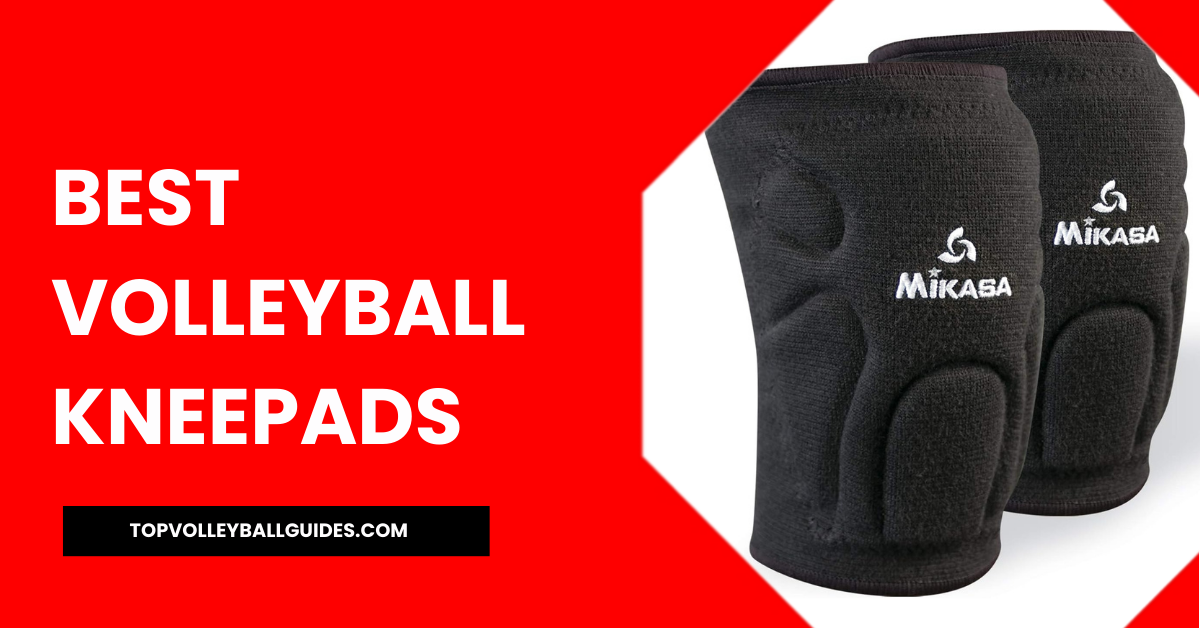
When you’re diving for the ball or dropping to your knees for a dig, knee pads are a non-negotiable part of your gear. Whether you’re a beginner or an advanced player, the right volleyball knee pads will protect your knees, boost your confidence on the court, and prevent long-term injuries. Choosing the best volleyball knee pads can significantly improve your performance and ensure you’re giving your all—safely.
This guide dives into the best volleyball knee pads for 2026, including options for both men and women, pros and cons, reviews, and what to look for when buying your next pair.
Disclosure: This post contains affiliate links. If you buy through the links on this page, we may earn a small commission at no extra cost to you.
Quick Comparison of the Best Volleyball Knee Pads
| Product | Best For | Padding | Key Feature |
|---|---|---|---|
| Mizuno LR6 | Best Overall | Medium, low-profile | VS-1 padding with D.F. Cut freedom |
| Mizuno T10 Plus | Best for Large Legs & Maximum Padding | Thick, extended | Extended coverage for aggressive defense |
| Opvixi | Best Budget | Medium foam | 2-pair value pack |
| Mikasa 832 | Best for Youth & Hard Floors | Thick | Simple one-size design |
| Adidas Sleek | Best for Agility | Mid-density | Contoured fit with breathable mesh |
| Nike Streak Dri-FIT | Best for Beginners | Medium foam | Ventilated knit, streamlined fit |
| ASICS Ace Low Profile 3.0G | Best Low Profile | Dual-density | Slim fit, anti-microbial fabric |
| Bodyprox Protective | Best Thick Padding | Thick EVA foam | Anti-slip design |
| McDavid HEX | Best Advanced Protection | HEX cell padding | Compression sleeve fit |
Best Volleyball Knee Pads for 2026
1. Mizuno LR6 Volleyball Knee Pads — Best Overall

The Mizuno LR6 is the knee pad most competitive volleyball players reach for first, and it has held that spot for years. Its low-rise, minimalist cut keeps the pad sitting exactly over the kneecap without extra material bunching behind the knee, while VS-1 padding absorbs the shock of repeated dives and floor contact.
In actual play the LR6 feels like it is barely there. The D.F. Cut lets the knee bend and extend freely through approaches, blocks and defensive moves, and Mizuno’s DryLite moisture management keeps the leg dry during long matches. It is a pad built for speed and court feel rather than maximum bulk.
Key Features
- Low-rise, minimalist design
- VS-1 padding absorbs shock
- D.F. Cut allows greater freedom of movement
- DryLite technology keeps moisture at bay
Best For: Best for liberos, outside hitters and all-round competitive players who dive often but hate bulky pads. Also a strong first “serious” knee pad for advanced school and club players.
Our Verdict: The LR6 stays our best overall pick — the balance of protection, low weight and freedom of movement is still the one to beat.
- Lightweight and breathable
- Offers great protection without being bulky
- Stylish and comes in various colors
- Ideal for all court positions
- May slide down during intense matches
- Padding is minimal for those needing max protection
2. Mizuno T10 Plus Volleyball Knee Pads — Best for Maximum Protection

The Mizuno T10 Plus is the LR6’s bigger, tougher sibling. It uses a longer, extended design that covers the whole knee and reaches further up the lower thigh, with noticeably thicker padding for players who hit the floor hard and often.
That extra coverage makes a real difference for aggressive defenders and players protecting a previously injured knee. The stretch fabric keeps the longer pad flexible, although the trade-off is warmth and bulk — in hot gyms the T10 Plus can feel heavy by the third set.
Key Features
- Extended length for full knee and lower thigh coverage
- Thick padding for serious protection
- Stretch fabric for flexibility
Best For: Best for liberos, defensive specialists, players with knee issues, and anyone with larger legs who finds standard pads too short.
Our Verdict: If maximum protection is your priority, the T10 Plus is the safest pair of knees on this list.
- Best-in-class protection
- Excellent for defense-heavy positions
- Good for players with knee issues
- Bulkier than other models
- May be too warm for hot gyms
3. Opvixi Volleyball Knee Pads – Best Budget Pick
Opvixi proves you do not need to spend big to protect your knees. These pads pair high-density foam padding with a breathable, moisture-wicking sleeve, and they come in a value 2-pair pack, so a spare pair is always in your bag.
On court they do the basics well: the foam takes the sting out of dives and knee drops, the non-slip elastic helps them stay put, and the lightweight build suits long practice sessions. They will not match Mizuno-level durability over several seasons, but at this price that is an easy trade.
Key Features
- Breathable, moisture-wicking fabric
- High-density foam padding for impact protection
- Non-slip elastic fit
- Durable stitching
- Comes in a value 2-pair pack
Best For: Best for beginners, school players, and casual or recreational players who want reliable protection and a spare pair on a budget.
Our Verdict: The best budget pick — simple, comfortable, and priced so replacing them never hurts.
- Budget-friendly
- Comfortable and breathable
- Good for beginners
- Fit must be correct to avoid slipping
- Average durability
- Not for intense play
4. Mikasa 832 Knee Pads — Best for Youth and Hard Floors

The Mikasa 832 is a traditional, no-nonsense knee pad from one of volleyball’s oldest brands. It uses thick padding in a simple elastic cotton-blend sleeve, with a one-size design that has made it a staple in school gyms for years.
The thick pad is the headline: it softens contact on hard or unforgiving floors better than most slim modern pads. The cost of that protection is a bulkier feel and less precise movement, which experienced quick players may notice.
Key Features
- Thick padding for extra protection
- Elastic cotton blend for comfort
- One-size-fits-most design
Best For: Best for youth players learning the game, beginners building diving confidence, and anyone playing on hard school gym floors.
Our Verdict: Old-school, thick and dependable — a great learning pad rather than a performance pad.
- Superior protection with thick padding
- Budget-friendly
- Simple and effective design
- One-size may not fit all
- Bulky feel may limit mobility
5. Adidas Unisex-Adult Sleek Knee Pads — Best for Agility

The Adidas Sleek is built for players who move first and dive second. Its contoured, ergonomic shape wraps the knee closely, and mid-density padding keeps protection where you need it without the pillow feel of thicker pads.
Breathable mesh panels give it the best airflow on this list, so it stays comfortable through long tournaments. Both men and women use the unisex design. Just know the padding is tuned for regular play, not constant aggressive diving.
Key Features
- Sleek, contoured fit for agility
- Breathable mesh for airflow
- Mid-density padding for comfort
Best For: Best for setters, hitters and mobile all-round players who value agility and ventilation, and for players in hot gyms.
Our Verdict: The mobility pick — sleek, cool and agile, with enough padding for everyday play.
- Contoured fit for natural movement
- Great ventilation
- Works for men and women
- Not ideal for aggressive diving
- Slightly thinner padding than some other models
6. Nike Streak Dri-Fit Volleyball Knee Pads — Best for Beginners

The Nike Streak Dri-FIT brings Nike’s streamlined, athletic styling to the knee pad category. High-density foam handles impact absorption, while the ventilated knit construction keeps air moving so the pads never feel heavy or hot mid-match.
The fit is the highlight: lightweight and body-hugging, it moves naturally with the knee and looks as good as it feels. Padding is solid for regular school and club play, though constant rough diving will test its limits sooner than a Mizuno.
Key Features
- High-density foam for impact absorption
- Lightweight, streamlined fit
- Ventilated knit construction
Best For: Best for beginners and intermediate players — especially girls and women players — who want a comfortable, modern-looking pad for school and club volleyball.
Our Verdict: A stylish, comfortable step-up pad that beginners will actually enjoy wearing.
- Sleek, modern look
- Breathable and lightweight
- High-quality material
- Not ideal for extremely rough play
- Pricier than basic models
7. ASICS Ace Low Profile 3.0G Knee Pads — Best Low Profile

The ASICS Ace Low Profile 3.0G is for players who forget they are wearing knee pads — until they land. Its dual-density foam gives real cushioning in a slim, low-profile shape that never catches or bunches during quick lateral movement.
ASICS also treats the fabric with an anti-microbial finish, which genuinely helps with the smell problem knee pads are famous for. It stays in place well, but note the sizing runs small, and the slim pad is not made for maximum-impact protection.
Key Features
- Low-profile design
- Dual-density padding
- Anti-microbial fabric
Best For: Best for fast, agile players — setters, hitters and defenders — who want the least restrictive pad possible for competitive play.
Our Verdict: The least noticeable pad on this list, in the best way — just order a size up.
- Great for players who move a lot
- Doesn’t interfere with speed or agility
- Stays in place well
- Not suitable for players needing maximum impact protection
- Runs small
8. Bodyprox Protective Knee Pads – Best Thick Padding
Bodyprox is one of the most popular knee pads on Amazon, and it earns that spot with simple, thick protection. The EVA foam padding is noticeably thicker than pro low-profile pads, so hard landings and repeated knee drops lose their sting.
An anti-slip design helps the pads stay in place while diving, and the breathable, flexible fabric keeps them comfortable for full matches and long practices. They are bulkier than the Mizuno pads in our list, but for pure cushioning per dollar they are hard to beat.
Key Features
- Thick EVA foam padding for maximum impact protection
- Anti-slip design helps the pads stay in place while diving
- Breathable, flexible fabric for all-match comfort
- Unisex design, sold as a pair
Best For: Best for beginners, recreational league players, and anyone whose knees take a beating on hard gym floors and wants maximum cushioning on a budget.
Our Verdict: The thickest cushioning for the money — comfort-first protection that beginners love.
Pros
- Very thick cushioning for hard landings
- Affordable price
- Stays in place well
- Good for beginners and recreational leagues
Cons
- Bulkier feel than low-profile pro pads
- Less precise fit than Mizuno or Nike
9. McDavid HEX Padded Knee Pad – Best Advanced Protection
McDavid’s HEX technology works differently from a normal foam pad: individual closed-cell HEX pads flex with your knee and spread impact across the whole surface, so protection feels advanced without the bulk of a traditional pad.
The compression sleeve fit locks it in place — it will not slide during dives — and the moisture-management fabric keeps the leg dry. It can also be worn on the elbow or shin, which makes it a flexible piece of kit for multi-sport athletes. Note the fit runs snug, so size up if you are between sizes.
Key Features
- HEX closed-cell foam padding that conforms to the knee
- Compression sleeve fit that stays locked in place
- Moisture-management fabric keeps the leg dry
- Can also be worn on the elbow or shin
Best For: Best for advanced and competitive players who want high-tech protection in a low-bulk sleeve, and for players who also play basketball or other court sports.
Our Verdict: The high-tech pick — HEX protection with a locked-in fit, worth the premium if you play hard.
Pros
- Advanced HEX impact protection
- Snug compression fit, no slipping
- Lightweight and versatile
Cons
- Premium price
- Snug sizing may not suit very large legs
Mizuno LR6 vs T10 Plus: Which Should You Choose?
These are the two most compared volleyball knee pads, and both are in our list above. The Mizuno LR6 is the low-profile classic: thinner, lighter, and famous with liberos and defensive players who dive constantly and want the pad to feel almost invisible. The Mizuno T10 Plus is the heavy-duty option: thicker padding, a larger coverage area, and a better fit for bigger legs and players who land hard. Choose the LR6 for speed and freedom, and the T10 Plus for maximum protection.
Volleyball Knee Pad Size Chart
A knee pad only works if it fits snugly — too loose and it slides down mid-rally, too tight and it cuts circulation. Measure the circumference around the center of your kneecap with your leg straight, then match it to this general chart:
- Small: 13 – 14.5 inches (33 – 37 cm)
- Medium: 14.5 – 16 inches (37 – 41 cm)
- Large: 16 – 17.5 inches (41 – 44 cm)
- X-Large: 17.5 – 19 inches (44 – 48 cm)
Sizes vary by brand — Adidas, Mizuno, and Nike each publish their own size chart, so always check the chart on the product page before ordering. If you are between sizes, choose the smaller size for a secure fit that will not slip while diving.
Best Volleyball Knee Pads by Player Type
Best for Liberos and Defensive Players
Liberos spend the whole match diving and digging, so they need pads that stay in place and never restrict movement. The Mizuno LR6 is the top libero pick — it is the pad most defensive specialists trust. To master the role itself, also read our guide to the dig in volleyball.
Best for Men
Men generally need larger sizes and stronger padding for harder landings. The Mizuno T10 Plus is our best pick for men, with the Adidas Sleek as a solid all-round alternative.
Best for Women and Girls
Women and girls usually prefer a slimmer, lower-profile fit. The Nike Streak Dri-Fit and the ASICS Ace Low Profile 3.0G are the best women and girls’ picks in our list — light, snugg, and easy to move in.
Best for Beginners
Beginners should not spend too much on their first pair. The Opvixi knee pads are the best budget starter pick, and the Nike Streak Dri-Fit is a comfortable step up once you play every week.
Best for Large Legs
Players with large legs or thick thighs often struggle with pads that roll down or feel too tight. The Mizuno T10 Plus is the best and largest knee pad in our list — its bigger pad area and stretch fit suit large legs better than low-profile models.
What Type of Knee Pads Are Best for Volleyball?
There are three main types. Thick padded knee pads (like the T10 Plus) give maximum protection for frequent divers and beginners. Low-profile knee pads (like the LR6 and ASICS Ace) are thinner and lighter for advanced players who value speed. Sleeve-style pads slide on like a sock and suit light training. The best volleyball knee pad brands — Mizuno, Nike, Adidas, ASICS, and Mikasa — all appear in our list, so choose the type that matches how often you hit the floor.
How Long Do Volleyball Knee Pads Last?
Most players replace their knee pads every 6-12 months. Replace yours sooner if the padding feels flat, the elastic is stretched and the pad slides down, or the fabric is torn. Washing them correctly makes them last much longer — follow our step-by-step guide on how to wash volleyball kneepads after matches instead of leaving them in your bag.
Why Volleyball Knee Pads Are Essential?
Protection and Injury Prevention
Volleyball players put a lot of stress on their knees, especially in defensive positions like libero or defensive specialist. Knee pads cushion the patella and surrounding area, helping prevent bruises, abrasions, and more serious joint issues.
Comfort and Fit
High-quality kneepads are designed to be snug yet comfortable. The best pads offer compression, breathable material, and enough padding without restricting movement.
Confidence and Performance
When players feel protected, they’re more likely to dive, slide, and play aggressively. This leads to better game performance and greater team contribution.
And if you have ever wondered why volleyball players wear knee pads below their knees, we explained that in a separate guide.
Features to Look for in Volleyball Knee Pads
- Padding Thickness: Choose the right amount for your position. Defensive players usually need more padding.
- Material and Breathability: Look for moisture-wicking, breathable fabrics to keep you cool.
- Fit and Size Range: Knee pads should fit snugly but not cut off circulation. Sizing varies by brand.
- Durability: Reinforced stitching and high-quality materials extend product lifespan.
- Mobility and Flexibility: Ensure the pads don’t limit your movement while running or jumping.
Tips for Choosing the Right Volleyball Knee Pads
Consider Your Position
- Liberos/Defensive Players: Choose thicker, high-impact pads
- Hitters/Blockers: Go for a low-profile with freedom of movement
Choose the Right Size
Always consult the brand’s size chart. Too tight can cut circulation, too loose will slide around.
Think About Frequency of Play
Regular players need durable, high-quality pads. Casual players may prioritize comfort and price.
Don’t Forget Style
From minimalist white to bold black or team-colored options, there’s something for every player.
FAQs
Are knee pads necessary for volleyball?
Yes. Even if you rarely dive, a fall can happen at any time. Knee pads prevent serious injury and extend your playing career.
How often should I replace my volleyball knee pads?
Most players replace pads every 6-12 months, depending on frequency of use and signs of wear.
Can basketball knee pads work for volleyball?
Some might, but volleyball knee pads are specially designed to protect the knees during fast dives and low postures. They typically offer better flexibility and breathability.
What size volleyball knee pads should I buy?
Sizes vary by brand. Measure around your knee and check the sizing guide. If in between sizes, go for the snugger fit for better stability.
Do men and women need different pads?
Not necessarily, but women-specific designs like the Nike Athena are tailored for smaller knee circumferences.
How do you choose volleyball knee pads?
Start by identifying your playing style and position. Defensive players need thicker padding, while hitters may prefer a low-profile design. Look for breathable, moisture-wicking materials, and make sure the pads allow for full range of motion without slipping.
How to find your volleyball knee pad size?
Measure the circumference around the center of your knee and compare it to the brand’s size chart. If you’re between sizes, opt for the tighter fit to prevent sliding during play.
Is gel or foam better for knee pads?
Both materials have their strengths. Foam is lightweight and breathable, making it ideal for speed and agility. Gel offers superior shock absorption, great for players who dive frequently. Some pads combine both for balanced protection.
How do I choose the right knee pads?
Consider your position, intensity of play, comfort preferences, and injury history. Prioritize pads with reliable protection, a snug fit, and high-quality fabric. Reading user reviews and testing a few options can help narrow your choice.
What are the best knee pads for volleyball liberos?
The Mizuno LR6. Its low-profile padding stays in place during constant diving and does not slow defensive players down.
What are the best volleyball knee pads for large legs?
The Mizuno T10 Plus. It has the largest pad area and the most forgiving stretch fit in our list, so it stays comfortable on big legs.
Mizuno LR6 or T10 — which is better?
Neither is better for everyone. The LR6 is thinner and lighter for fast defensive play; the T10 Plus is thicker and more protective. See our full LR6 vs T10 comparison above.
How do I wash my volleyball knee pads?
Hand-wash in cold water with mild detergent, or use a gentle machine cycle in a laundry bag, then air-dry — never tumble dry, as heat destroys the padding and elastic.
Final Verdict
Knee pads are one of the most important volleyball gear essentials, right up there with shoes. They don’t just protect your knees—they protect your confidence and ability to play your best.
Whether you prefer a sleek design like the ASICS 3.0G, a rugged option like the Mizuno T10, or a budget pick like Mikasa 832, the key is to find the pair that fits your game style and comfort needs. Invest in a reliable pair, and your knees will thank you every match.
Ready to take your court game to the next level? Pick the perfect volleyball knee pads today and play hard without holding back!
Complete your defensive gear with our guide to the best volleyball arm sleeves for diving and floor work.
1 thought on “9 Best Volleyball Knee Pads in 2026”